
Books that change if you read them at 20 or at 40
 +3 more
The same words, a different person reading them and, a different book entirely. Stories that quietly wait for you to grow into what they were really saying.
Hand-picked and sealed. Every book here was chosen on purpose — no votes, no algorithm.

Stacked by Drayfus · Updated 1 month ago
The 7 books on this stack
-
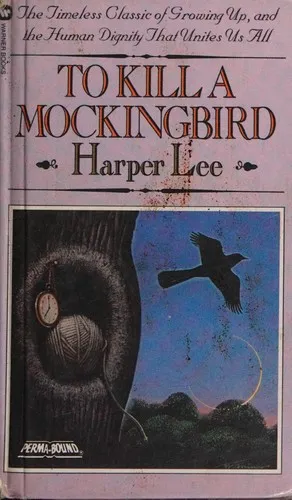
To Kill a Mockingbird
Harper Lee · 1969
The unforgettable novel of a childhood in a sleepy Southern town and the crisis of conscience that rocked it, in a mass market edition.
-
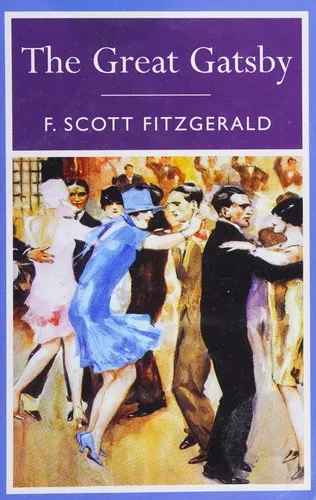
The great Gatsby
F. Scott Fitzgerald · 2011
Step into the glitz and glamour of the Roaring Twenties with F. Scott Fitzgerald's masterful novel, "The Great Gatsby." Immerse yourself in a world of opulence, passion, and shattered dreams as you follow the captivating journey of Jay Gatsby, a man driven by an unrelenting desire to reclaim a lost love. Set against the backdrop of vibrant New York City, this literary classic takes you on a seductive exploration of the American Dream and the illusions it weaves. Experience the intoxicating allure of Gatsby's legendary parties, where socialites and dreamers mingle, and secrets lurk behind every champagne flute. Narrated by the keen and observant Nick Carraway, "The Great Gatsby" unveils a society intoxicated by wealth, yet plagued by moral decay. Delve into the lives of unforgettable characters, from the enigmatic and mysterious Gatsby himself to the bewitching Daisy Buchanan and her morally ambiguous husband, Tom. As their lives intertwine, the boundaries between love and obsession blur, leading to a tragic collision of dreams and reality.
-
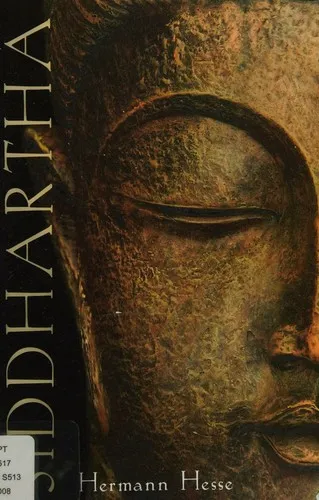
Siddhartha
Hermann Hesse · 1951
Siddhartha, a young man, leaves his family for a contemplative life but soon becomes restless and discards it for pleasures of the flesh. He is quickly bored and sickened by the unending lust and greed, moves on again. Near despair, he comes to a river where he hears a unique sound. This sound signals the true beginning of his life – the beginning of suffering, rejection, peace and, finally, wisdom Hermann Hesse’s beautiful rendition of the journey of a young man during the times of the great Gautam Buddha is not just an evocative piece of art but also a work of mystery offered to the reader to solve for himself. Hermann Karl Hesse was a German-born Swiss poet, novelist, and painter. His best-known works include Steppenwolf, Siddhartha and The Glass Bead Game, each of which explores an individual’s search for authenticity, self-knowledge and spirituality. He received the Nobel Prize in Literature in 1946.
-
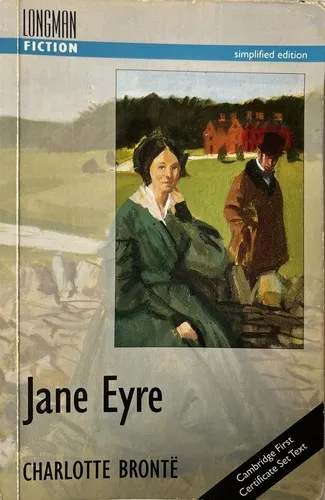
Jane Eyre
Charlotte Brontë · 1996
Jane Eyre, the story of a young girl and her passage into adulthood, was an immediate commercial success at the time of its original publication in 1847. Its representation of the underside of domestic life and the hypocrisy behind religious enthusiasm drew both praise and bitter criticism, while Charlotte Brontë’s striking expose of poor living conditions for children in charity schools as well as her poignant portrayal of the limitations faced by women who worked as governesses sparked great controversy and social debate. Jane Eyre, Brontë’s best-known novel, remains an extraordinary coming-of-age narrative, and one of the great classics of literature.
-
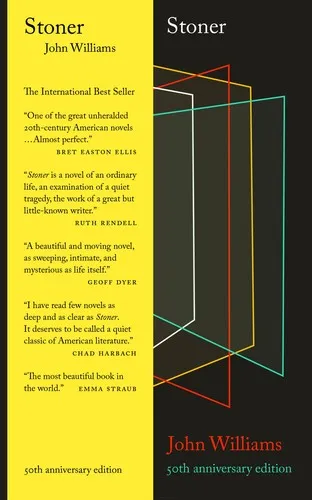
Stoner
John Williams · 1965
Discover an American masterpiece. This unassuming story about the life of a quiet English professor has earned the admiration of readers all over the globe. The critic Morris Dickstein has said that John Williams's Stoner "is something much rarer than a great novel - it is a perfect novel," and in the last decade this austere and deeply moving tale of a Midwestern college professor has been embraced by readers all over the world. Here, to commemorate the fiftieth anniversary of the publication of Stoner , NYRB Classics offers a special hardback edition of the book that also includes a previously unpublished correspondence between John Williams and his agent about its writing and publication.
-
The Little Prince
Antoine de Saint-Exupéry · 1971
A beautifully bound gift edition of this touching and wise classic book for children. A pilot stranded in the desert awakes one morning to see, standing before him, the most extraordinary little fellow. "Please," asks the stranger, "draw me a sheep." And the pilot realizes that when life's events are too difficult to understand, there is no choice but to succumb to their mysteries. He pulls out pencil and paper . . . Thus begins this wise and enchanting fable that, in teaching the secret of what is really important in life, has changed the world forever for its readers. Often seen as a symbol of childhood innocence, Antoine de Saint-Exupery’s best-selling book The Little Prince is cherished by children and adults alike across the globe.
-
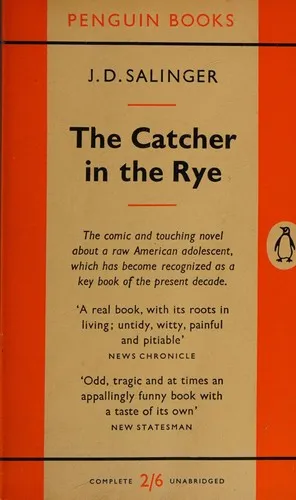
The Catcher in the Rye
J. D. Salinger · 1945
'If you really want to hear about it, the first thing you'll probably want to know is where I was born and what my lousy childhood was like, and how my parents were occupied and all before they had me, and all that David Copperfield kind of crap, but I don't feel like going into it, if you want to know the truth.' The first of J. D. Salinger's four books to be published, The Catcher in the Rye is one of the most widely read and beloved of all contemporary American novels. 'The handbook of the adolescent heart' The New Yorker
View book2 want to read